AI vs Human Creativity: Which Delivers Better Immersive Soundscapes for Your Theater Production?
- Scott Hannon
- Dec 4, 2025
- 4 min read

The curtain rises, the lights dim, and suddenly your audience is transported to another world. But what's creating that magic? Is it the precision of artificial intelligence crafting every note, or the intuitive artistry of human composers weaving emotional tapestries? In today's rapidly evolving audio landscape, theater producers face a fascinating crossroads: should you trust AI algorithms or human creativity to deliver the immersive soundscapes that make your production unforgettable?
This isn't just a technical decision: it's an artistic one that could define your audience's entire experience. Let's dive deep into this sonic showdown and discover which approach truly delivers the emotional punch your theater production deserves.
The AI Advantage: When Machines Meet Music
Real-Time Magic and Adaptive Intelligence
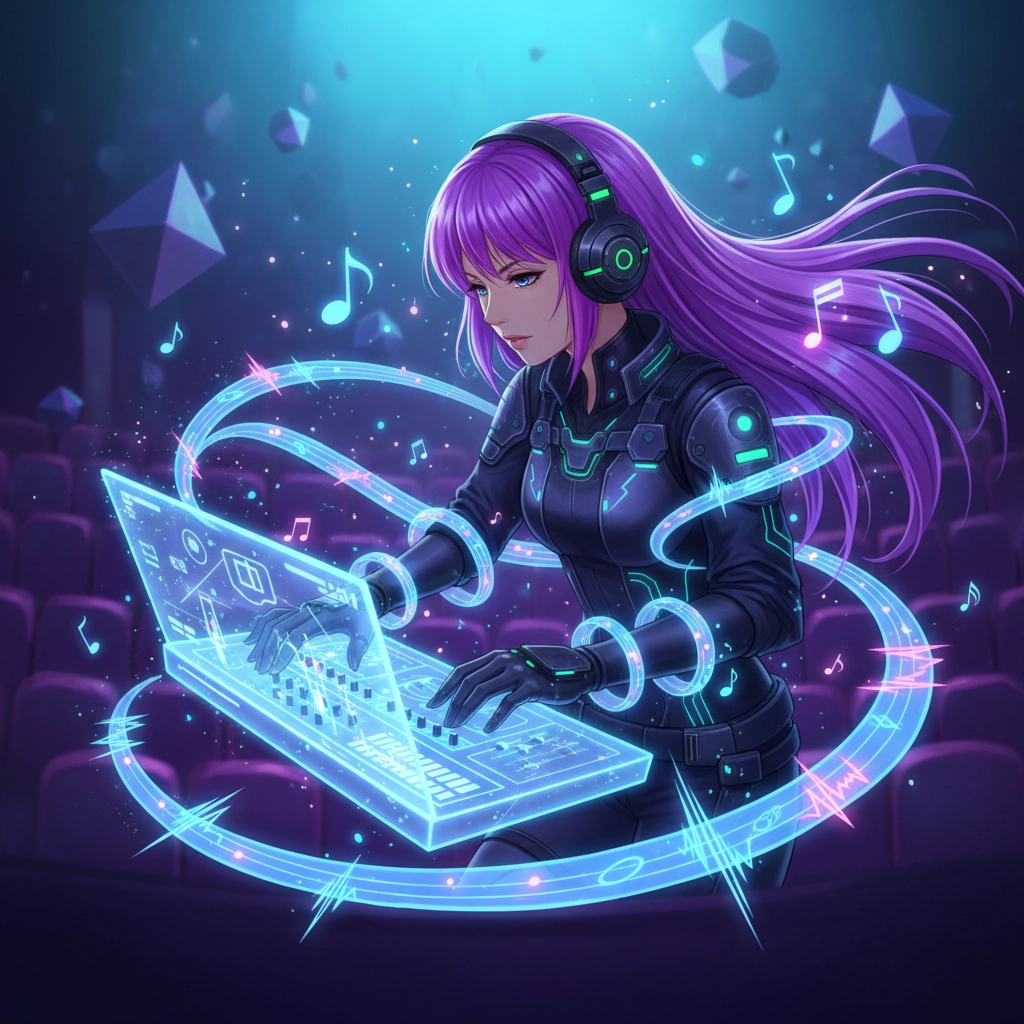
AI-generated soundscapes bring something genuinely revolutionary to the theater world: real-time adaptability that responds to your production's every heartbeat. Modern deep learning technologies like Endel, Amper Music, AIVA, and Mubert can create soundscapes that dynamically adjust to scene pacing, environmental conditions, and even subtle changes in audience energy.
Imagine your dramatic climax running a few seconds longer than rehearsed: AI can stretch that tension-building score seamlessly. Picture an intimate dialogue scene that needs more breathing room: your AI system adapts instantly, maintaining emotional continuity without missing a beat. This level of responsiveness was pure science fiction just a decade ago.
Speed and Cost Efficiency That Transforms Production
Here's where AI really shines: it can generate multiple sonic variations faster than you can say "opening night." For experimental theater or productions requiring extensive iteration during development, AI becomes your creative playground. Need fifteen different mood variations for Act II? AI delivers them in minutes, not weeks.
The financial benefits are equally compelling. While commissioning a human composer might cost thousands and require weeks of back-and-forth refinement, AI tools can provide professional-quality soundscapes at a fraction of the cost. For smaller theater companies operating on shoestring budgets, this democratization of high-quality audio production is genuinely game-changing.
The Human Touch: Where Emotion Meets Expertise
Emotional Intelligence That Algorithms Can't Replicate
But here's where the plot thickens: recent research reveals a fascinating twist in our AI vs human narrative. Studies comparing audience responses to AI-generated versus human-composed soundtracks discovered something remarkable: AI-generated music causes wider pupil dilation and requires significantly more cognitive effort to process.
What does this mean for your theater production? When audiences have to work harder to decode your soundscape, they're not fully immersed in your story. They're unconsciously wrestling with unfamiliar patterns and processing what researchers describe as an "uncanny" aesthetic quality: that eerie feeling of something being almost, but not quite, right.
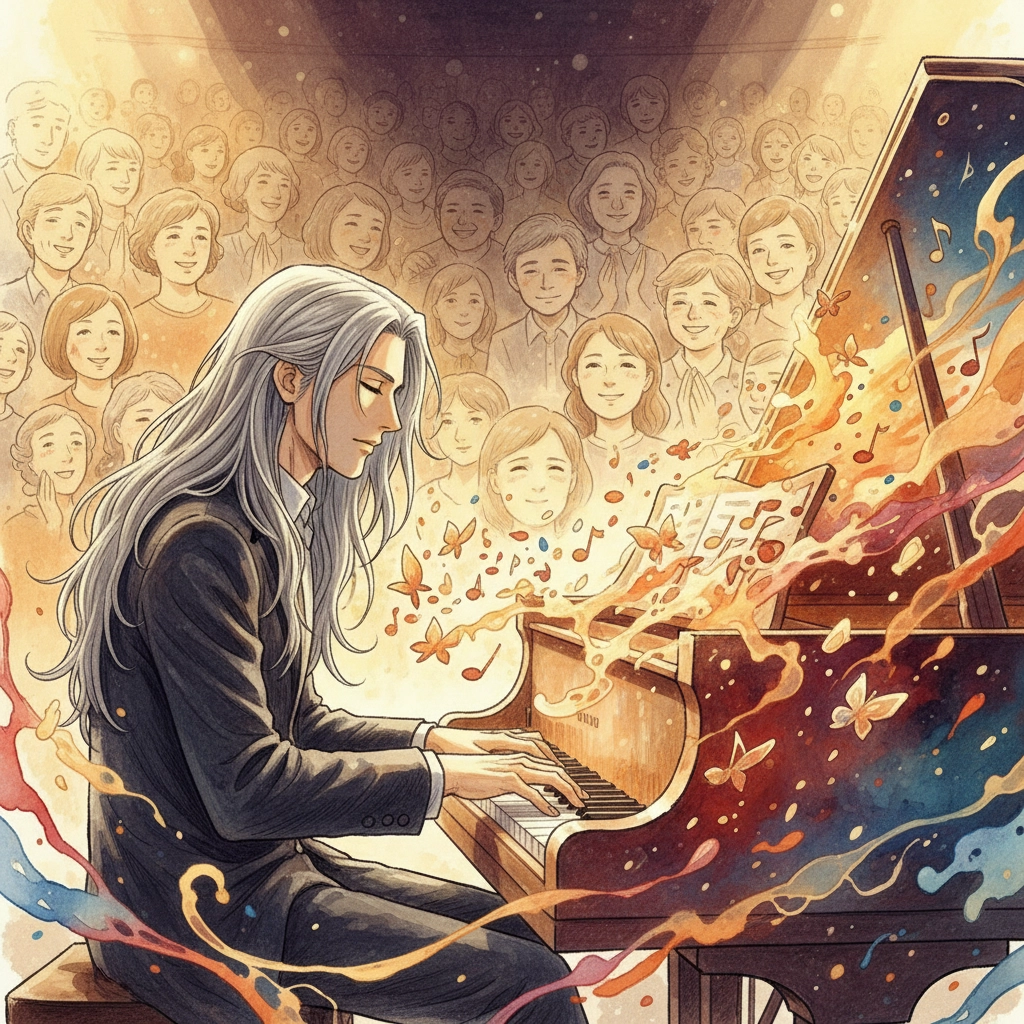
Human composers, on the other hand, tap into established musical conventions that feel instantly familiar and emotionally accessible. They understand the subtle language of theatrical storytelling: how a trembling violin can amplify character vulnerability, how strategic silence can make dialogue more impactful, or how rhythm changes can guide audience breathing during tense scenes.
Collaborative Artistry and Creative Vision
Perhaps most importantly, human composers bring something AI cannot: genuine collaborative creativity. They don't just execute your vision: they enhance it, offering artistic insights that can elevate your entire production beyond what you initially imagined. When a composer understands your script's emotional architecture and your director's artistic intent, they become creative partners, not just service providers.
This collaborative element extends to interpreting subtext, understanding character arcs, and making artistic choices that support your storytelling goals. An experienced theater composer reads between the lines of your script, anticipating emotional beats and creating sonic landscapes that amplify your narrative's power.
The Showdown: A Side-by-Side Comparison

Dimension | AI-Generated Soundscapes | Human-Created Soundscapes |
Adaptability | Real-time parameter adjustments during live performance | Limited to pre-planned variations |
Emotional Impact | Requires higher cognitive processing; can feel "uncanny" | Naturally familiar and emotionally intuitive |
Production Cost | Significantly lower; rapid generation | Higher investment in composer fees and time |
Creative Uniqueness | High technical novelty but potentially generic feel | Deeply personal and production-specific |
Collaboration Factor | Minimal artistic dialogue or creative input | Direct creative partnership and vision enhancement |
Audience Experience | More arousing but less familiar; greater mental processing required | Seamless integration with performance narrative |
Time Requirements | Minutes to hours for multiple variations | Weeks to months for original composition |
The Verdict: Context is King
Here's the truth that might surprise you: asking whether AI or human creativity is "better" for theater soundscapes is like asking whether a paintbrush or a camera creates better art. The answer depends entirely on your artistic goals, audience expectations, and the story you're trying to tell.
When AI Makes Perfect Sense
AI-generated soundscapes excel in specific scenarios that play to their technological strengths:
Experimental or avant-garde productions where the "uncanny" quality actually serves your artistic intent
Interactive theater experiences where real-time audience responsiveness enhances the immersive experience
Budget-conscious productions needing professional-quality audio without major financial investment
Rapid prototyping phases where you need to test multiple sonic approaches quickly
When Human Creativity Reigns Supreme
Human composers remain irreplaceable for productions prioritizing deep emotional connection:
Character-driven narratives where emotional storytelling is paramount
Classical or contemporary works where established musical traditions enhance meaning
Productions seeking profound audience resonance rather than technological novelty
Complex artistic visions requiring interpretive sophistication and collaborative creativity
The Hybrid Future: Best of Both Worlds
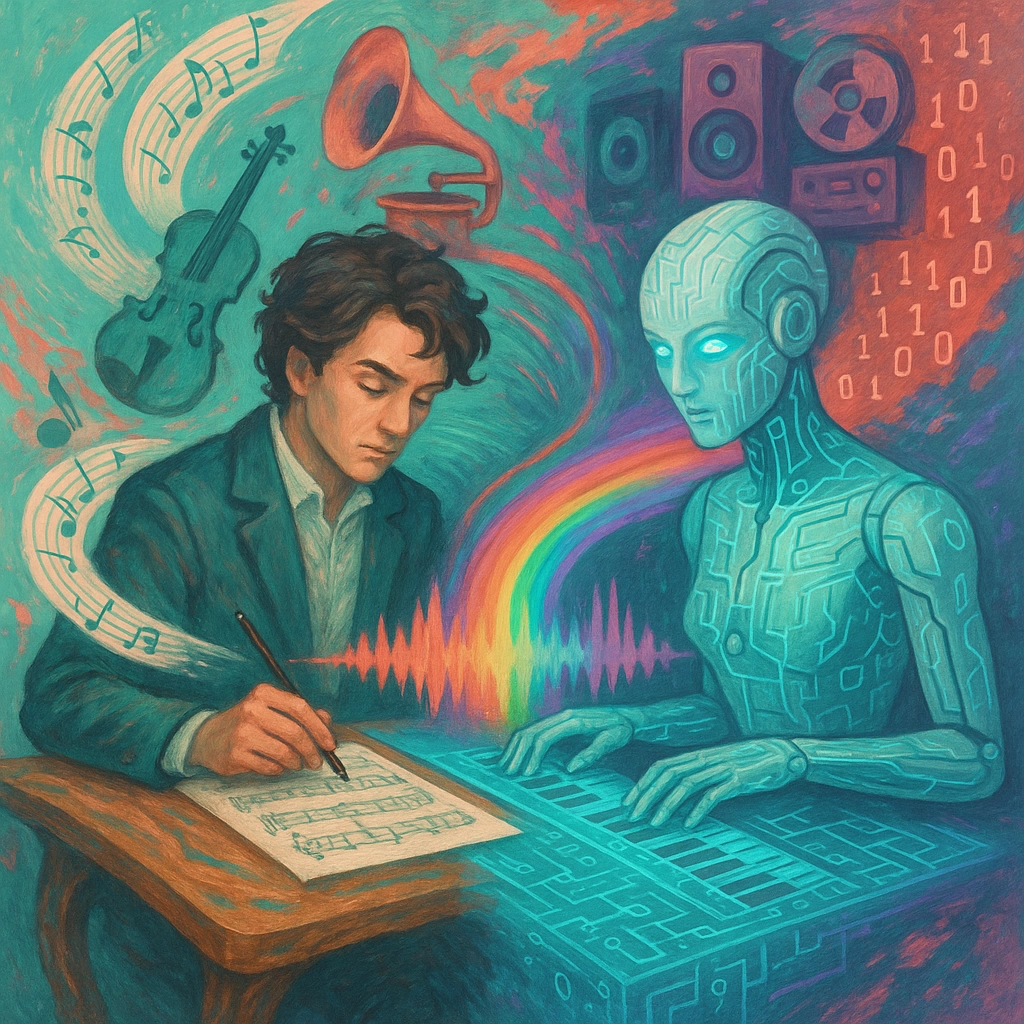
The most exciting developments might not involve choosing sides at all. Forward-thinking theater companies are exploring hybrid approaches that combine AI efficiency with human artistry. Imagine using AI for rapid sonic prototyping during development phases, then collaborating with human composers to refine and emotionally enhance the most promising directions.
This hybrid model offers the cost efficiency and speed of AI while preserving the emotional intelligence and collaborative creativity that only humans provide. It's not about replacing human composers: it's about amplifying their capabilities and making professional soundscape creation more accessible across the theater spectrum.
Your Next Act: Making the Choice
At EchoCraft Media, we've witnessed firsthand how the right soundscape approach can transform a good production into an unforgettable experience. Whether you choose the technological precision of AI, the emotional artistry of human composers, or an innovative hybrid approach, the key is aligning your choice with your production's unique artistic vision and audience goals.
Remember: your soundscape isn't just background music: it's an invisible cast member that guides emotions, builds tension, and creates the immersive atmosphere that makes theater magical. Choose the approach that serves your story best, and your audience will feel the difference in every heartbeat, every breath, and every moment of stunned silence.
The stage is set, the choice is yours. What story will your soundscape tell?


Comments