Remote Collaboration in Sound Design: How to Create Immersive Audio Visual Experiences from Anywhere
- Scott Hannon
- Dec 4
- 5 min read

The world of sound design has undergone a seismic shift. Gone are the days when creating breathtaking immersive audio experiences required everyone to huddle around the same mixing console in the same room. Today's audio professionals are crafting sonic masterpieces from coffee shops in Copenhagen, home studios in Hoboken, and everything in between.
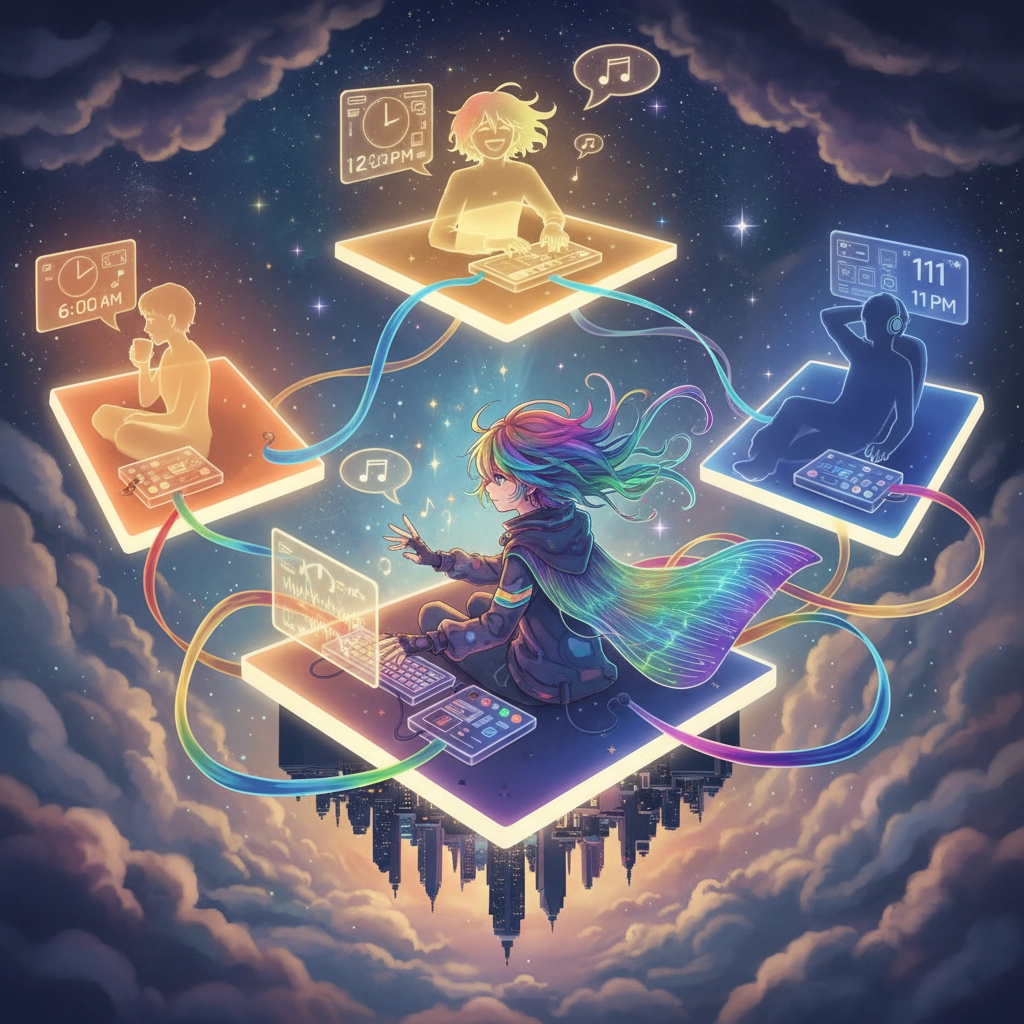
But here's the thing: remote collaboration isn't just about making do with distance. It's about unlocking creative possibilities that were previously impossible. When your sound designer in Tokyo can seamlessly collaborate with your composer in Toronto while your director provides real-time feedback from their living room in Los Angeles, magic happens.
The Remote Revolution: Why Distance Doesn't Diminish Quality
Remote sound design collaboration has evolved far beyond simple file sharing and email chains. We're talking about real-time, high-fidelity audio streaming that maintains the pristine quality essential for professional immersive audio production. The technology now exists to transmit uncompressed audio streams with latency so low it feels like everyone's in the same room.
The secret sauce? A combination of specialized plugins, cloud-based platforms, and streaming technology that preserves every nuance of your carefully crafted soundscape. Whether you're working on a Dolby Atmos mix for a blockbuster film or designing spatial audio for a VR experience, the tools are there to make it happen seamlessly.
Essential Tools That Transform Remote Workflows
Picture-Perfect Synchronization with MixStage
When your audio needs to sync perfectly with visual content, MixStage becomes your best friend. This platform allows you to stream high-quality audio directly from your DAW while maintaining frame-accurate synchronization with uploaded video content: we're talking up to 4K resolution here.
What makes this particularly powerful for immersive audio work is the ability to have up to 20 participants in a virtual room, all experiencing the same synchronized audio-visual content. Imagine conducting a mix review session where your client in New York, your director in London, and your sound team scattered across the globe can all provide real-time feedback through integrated talkback and video chat.
The platform's integration with video editors like DaVinci Resolve creates a seamless workflow that eliminates the traditional export-review-revise cycle that can bog down projects for weeks.
Plugin-Based Magic with Audiomovers LISTENTO
For those who prefer working within their familiar DAW environment, Audiomovers LISTENTO offers a game-changing plugin-based solution. This lightweight system integrates directly into Pro Tools, Logic, Reaper, and other major DAWs through standard AAX/VST/AU formats.
The real kicker? It supports immersive formats like Dolby Atmos with up to 128 channels. That means you can stream your complex, multi-dimensional soundscape in real-time without losing any of the spatial information that makes immersive audio so compelling. The automatic timecode embedding feature ensures perfect synchronization without the need for manual exports: a lifesaver when you're working with picture-locked content.
With adjustable latency as low as 0.1 seconds, conversations flow naturally, and creative decisions can be made in real-time rather than through delayed feedback cycles.
Streamlined Simplicity with Waves Stream
Sometimes you just need something that works without the complexity. Waves Stream provides exactly that: a straightforward solution for two-person collaboration that offers lossless audio sharing with ultra-low latency. While it limits you to one collaborator at a time, its browser-based access and integrated mic control make it perfect for quick feedback sessions or one-on-one creative collaborations.
Creating Immersive Experiences Across Time Zones
The Immersive Format Workflow
Working with Dolby Atmos and other immersive formats remotely requires a specific approach. The workflow typically involves uploading your picture-locked video to your collaboration platform, then streaming your immersive mix in real-time with synchronized playback.
This allows everyone involved: from clients to directors to fellow sound designers: to experience how your immersive sound design interacts with the visual content without leaving their location. The immediate talkback feedback capability means you can make adjustments on the fly, dramatically speeding up the approval process.
Cross-Platform Collaboration Solutions
One of the biggest challenges in remote sound design is when team members use different DAWs. Enter Satellite Sessions, which works as a plugin instrument across most popular DAWs. This means your Ableton-loving composer can collaborate seamlessly with your Pro Tools-dedicated sound designer.
Audio and MIDI clips can be shared and edited collaboratively without anyone having to abandon their preferred creative environment. It's like having a universal translator for digital audio workstations.
Technical Considerations That Make or Break Remote Sessions
The Latency Challenge
Ultra-low latency isn't just a nice-to-have: it's absolutely critical for effective remote collaboration. When discussing timing-sensitive sound design decisions or conducting real-time mix adjustments, even small delays can disrupt the creative flow. The best platforms offer adjustable latency settings that can go as low as 0.1 seconds, enabling responsive interaction that feels natural.
Timecode Synchronization: The Unsung Hero
Automatic timecode embedding ensures that all participants stay perfectly synchronized with picture content. This feature eliminates the tedious process of manual file exports and reimports, streamlining workflows significantly. When your sound design needs to align precisely with visual events: like a door slam or an explosion: frame-accurate synchronization becomes non-negotiable.
Bandwidth and Quality Considerations
Not all internet connections are created equal, and your collaboration platform needs to adapt. The best tools offer adaptive streaming that maintains the highest possible quality while working within each participant's bandwidth limitations. Some platforms provide options for uncompressed audio transmission when connections allow, ensuring that no creative detail is lost in transmission.
Best Practices for Remote Sound Design Success
Preparation Is Everything
Before diving into a remote collaboration session, ensure all participants have tested their connections and are familiar with the platform. Create a checklist that includes audio interface settings, internet speed verification, and platform-specific configuration requirements.
Communication Protocols
Establish clear communication protocols before starting creative work. Decide who has talkback priority during playback, how feedback will be documented, and what happens if technical issues arise. These seemingly small details can save hours of confusion during actual sessions.
Backup Plans
Always have a backup collaboration method ready. If your primary platform experiences issues, you should be able to quickly switch to an alternative solution without losing creative momentum.
The Future of Remote Audio Collaboration
The technology continues to evolve at breakneck speed. We're seeing developments in AI-assisted mixing, virtual reality collaboration spaces, and even more sophisticated immersive format support. The future promises even tighter integration between video editing suites and audio platforms, making the boundary between remote and in-person collaboration increasingly invisible.
As bandwidth continues to improve globally and latency decreases further, we're approaching a point where remote collaboration might actually offer advantages over traditional in-person sessions. The ability to instantly access reference materials, record sessions for later review, and include participants who might not otherwise be able to attend physical sessions opens up creative possibilities we're only beginning to explore.
Remote collaboration in sound design isn't just about working from anywhere: it's about working with anyone, accessing the best talent regardless of location, and creating immersive audio experiences that transcend physical boundaries. The tools exist, the technology is mature, and the creative possibilities are limitless.
Ready to take your sound design collaboration to the next level? Visit www.echocraftmedia.com to explore how we can help bring your immersive audio visions to life, no matter where you are in the world.
Comments